
PREMIER partners publish new scientific paper: Factors Determining the Susceptibility of Fish to Effects of Human Pharmaceuticals
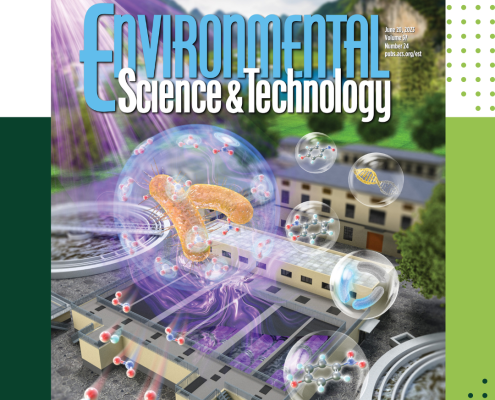
The increasing levels and frequencies at which active pharmaceutical ingredients (APIs) are being detected in the environment are of concern considering the potential adverse effects they may have on nontarget species such as fish. With many pharmaceuticals lacking environmental risk assessments, there is a need to better define and understand the potential risks that APIs and their biotransformation products pose to fish, while also minimising the use of experimental animals.
There are both extrinsic (environment- and drug-related) and intrinsic (fish-related) factors that make fish potentially vulnerable to the effects of human drugs, but which are not necessarily captured in non-fish tests. This critical review explores these factors, particularly focusing on the distinctive physiological processes in fish that underlie drug absorption, distribution, metabolism, excretion and toxicity (ADMET).
These discussions give insight into where existing data from mammalian and clinical studies may, or may not, help to inform on environmental risks of APIs in fish, hence contributing towards PREMIER’s objective to prioritise the environmental assessment of medicines based on risk.
Read the full publication here.


