
Marking the Milestone: PREMIER Final Virtual GAM#10 Meeting
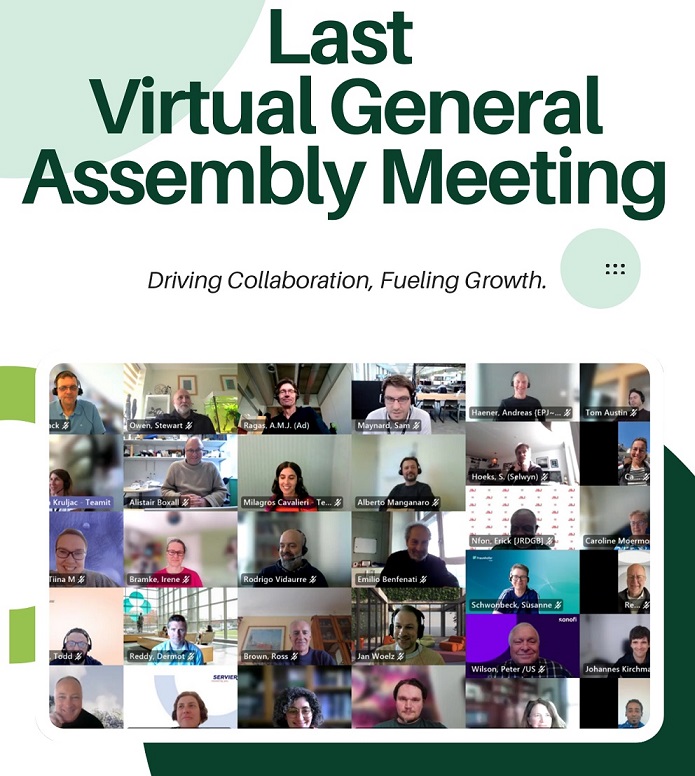
On April 2-3, 2025, PREMIER held a virtual GAM#10 meeting across two productive afternoons. Participants engaged in meaningful discussions on critical topics, driving substantial progress for the project. Below is a summary of results and achievements from the meeting.
The first day of the meeting focused on the importance of how we can translate what we know of how medicines work in humas to how they might work in wildlife. With a focus on fish we heard how pharmaceuticals are taken up from the water across the gills and into the blood, how to predict this and the tools we have developed to measure it in cell cultures in the laboratory. When in the blood, how pharmaceuticals behave is critically important, some bind to proteins and affect the way medications work. How these are metabolised and are eliminated from the body are also critically important to understanding the risk they pose in the environment. Data on the conservation of these proteins in fish were presented, and the elimination of medications between fish and humans was compared.
Key Topics:
- Validation of the Fish Plasma Model: The fish plasma model makes a prediction that the concentration of a pharmaceutical in human blood drives the pharmacology much as it would in a fish at similar concentrations. If we know how it is taken up from the water, then we can calculate a critical environmental concentration that lets us better understand the risk in the environment.
- Proteins in the Blood: It was explained how blood proteins, such as albumin, play a crucial role in binding medications in both humans and fish. How pharmaceuticals are bound plays an important role in how much effect we can expect, since bound molecules are not able to interact with their target. This is an important factor in refining the fish plasma model.
- Elimination of Medications in Fish: Data were shown indicating that certain medications have a higher unbound fraction in fish plasma, affecting the calculated critical environmental concentration.
- 3D Liver Cell Cultures: Data on the use of 3D liver cell cultures to study the elimination of medications were presented, emphasizing the potential of these cultures for long-term studies.
The second day of the meeting was mainly workshop and interaction based. Partly on working with the database software and partly on the project’s sustainability and the involvement of regulatory authorities. Strategies to ensure the project’s continuity beyond 2026 were discussed, and the creation of a non-profit entity was proposed.
Key Topics:
- Database: The team have been working to bring a publicly accessible database forward. Despite significant delays of the past where we sadly lost a partner to bankruptcy, The new team at IRFMN have produced a workable solution. We are currently checking and refining the software and plan to have its first release publicly soon.
- Non-Profit Organization: The creation of an organization that supports environmental risk assessment studies, facilitates new research, and provides training and innovation was proposed. No decision has been made, the team are investigating the opportunity to develop a network further.
The virtual GAM#10 was a success, with productive discussions and significant progress in various aspects of the project. Participants highlighted the importance of continuous collaboration and the need to ensure the project’s long-term sustainability. Notably, GAM#10 marked the final virtual meeting of the project. Looking ahead, our next GAM will be face-to-face in Barcelona, followed by a grand concluding event that will be open to the wider community in Cambridge in June 2026.


