
PREMIER partners publish new scientific paper: Many human pharmaceuticals are weak inhibitors of the cytochrome P450 system in rainbow trout (Oncorhynchus mykiss) liver S9 fractions
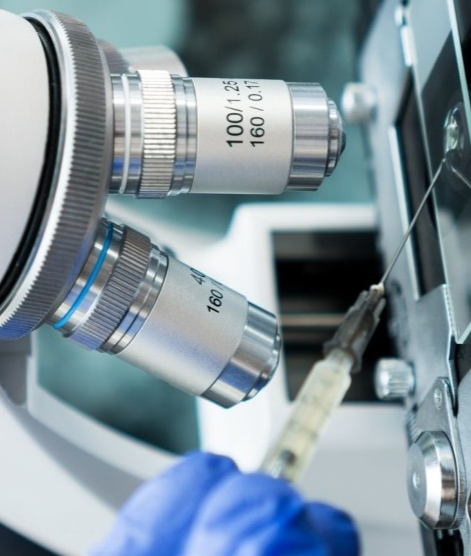
Bioaccumulation (B), i.e., gradual accumulation of an environmental contaminant in a nontarget organism, such as fish, is one of the key indicators of possible ecotoxicological hazards (PBT) of medicines. How fish cope with pharmaceutical residues is overall largely determined by their chemical defensome, which refers to the integrative network of receptors and transcription factors, biotransformation enzymes, and transporters, that collectively defend against and detoxify chemicals. These factors altogether determine whether pharmaceutical residues are biotransformed and eliminated or if they bioaccumulate in fish tissues. The critical biotransformation enzymes are expressed especially in the liver and include primarily cytochromes P450 (CYP) and a range of conjugation enzyme systems in fish and human alike. However, the function of the human P450 system is also inhibited by many pharmaceuticals, which can consequently interfere with the metabolism of other chemicals (reduced elimination) or endogenous hormones (endocrine disruption).
One of the aims of PREMIER is to evaluate the possibilities for ecotoxicological hazard assessment through read-across from human toxicological data. In this article, we evaluated the correlation of P450 enzyme inhibition in fish (rainbow trout) in vitro with human P450 inhibition by pharmaceuticals. It was observed that most of the tested sixteen pharmaceuticals exhibited weak to moderate inhibition toward the fish P450 enzyme system in vitro. The inhibitory concentrations of individual pharmaceuticals in vitro are however many orders of magnitude higher than the reported environmental concentrations of pharmaceuticals on the average and unlikely to be exceeded in fish in vivo. However, the results indicate that the P450 interactions in rainbow trout in vitro cannot be explicitly predicted based on human data. Instead, the data suggests that inhibition of the P450 system by pharmaceuticals is likely much broader in fish than in humans. Thus, the study highlights the need for further consideration of the inhibitory impacts of pharmaceutical mixtures in the environment to evaluate the risk for their combined, especially synergistic, effects on the fish P450 system.
See the article here.


